Dipartimento di Scienza dei Materiali
Assicurazione Qualità del Dottorato di Ricerca
Il funzionamento del Sistema di Assicurazione della Qualità (AQ) di Ateneo in relazione ai Dottorati di Ricerca è descritto nella pagina dedicata alla Assicurazione di Qualità sul sito dell’Università degli Studi di Milano-Bicocca.
In linea con le azioni proposte dalla Scuola di Dottorato di Ateneo, il monitoraggio della qualità del Dottorato di Ricerca è affidato al Gruppo AQ del Dottorato.
Il Gruppo AQ del Dottorato opera in confronto costante con le diverse componenti del Corso (Collegio, Studenti e Parti Sociali) ed è composto almeno da: Coordinatore del Corso di Dottorato, Assicuratore di Qualità del Corso di Dottorato e Rappresentante dei Dottorandi.
Ciascun Corso di Dottorato nomina un Assicuratore di Qualità del Corso di Dottorato per supportare il Coordinatore nei processi di pianificazione e monitoraggio dei corsi.
Il Gruppo AQ del Dottorato ha il compito di:
- redigere il Documento di Pianificazione e di Organizzazione delle attività formative e di ricerca;
- redigere la Relazione Annuale;
- monitorare l'andamento del percorso dei dottorandi, la loro opinione sulle attività formative e di ricerca, la soddisfazione al termine del percorso formativo e la condizione occupazionale negli anni seguenti;
- verificare, attraverso incontri periodici con i rappresentanti del mondo del lavoro, la coerenza tra attività formative proposte e richieste occupazionali;
- contribuire alla redazione del Riesame Triennale.
A seguito delle attività sopra descritte, il Gruppo AQ del Dottorato ha il compito di definire eventuali azioni correttive o interventi di miglioramento e di proporli al Collegio di Dottorato e al Dipartimento per l'approvazione e la messa in atto.
Di seguito, la composizione dei Gruppi AQ per ciascun Corso di Dottorato del Dipartimento di Scienza dei Materiali.
Prof.ssa Cristiana Di Valentin (Assicuratrice di Qualità del Corso di Dottorato)
Prof. Francesco Montalenti (Coordinatore del dottorato)
Prof.ssa Barbara di Credico (Membro del Collegio di dottorato)
Prof. Giovanni Maria Vanacore (Membro del Collegio di dottorato)
Dott. Riccardo Nardin (Rappresentante dottorandi 39-simo ciclo)
Dott. Paolo Valagussa (Rappresentante dottorandi 40-simo ciclo)
Dott.ssa Francesca Pozzi (Rappresentante dottorandi 41-simo ciclo)
Atomi metallici isolati nel grafene: quando il tipo di metallo fa la differenza
Singoli atomi metallici confinati nel grafene si sono dimostrati eccezionali catalizzatori per diverse reazioni chimiche e candidati promettenti per applicazioni nella sensoristica di gas. Tuttavia, non è ancora chiaro se la loro attività chimica sia determinata dal tipo specifico di atomo metallico o sia una diretta conseguenza del confinamento stesso.
Caratterizzazione della struttura elettronica dei materiali tramite spettroscopie di fotoemissione
Image
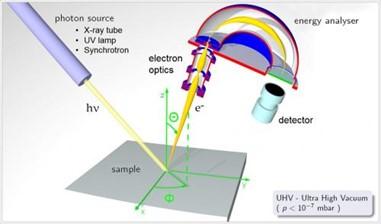
La nostra attività di ricerca riguarda la caratterizzazione della struttura elettronica dei materiali tramite tecniche di spettroscopia di fotoelettroni. In questi esperimenti i campioni sono esposti a particolari sorgenti di luce monocromatica, come raggi X e UV, al fine di estrarre ed analizzare gli elettroni che compongono il materiale. Gli esperimenti sono realizzati in ambiente di ultra-alto vuoto (UHV, ultra high vacuum) e permettono di indagare con molta accuratezza la superfice dei campioni.
Spettroscopia di fotoelettroni a raggi X
Image
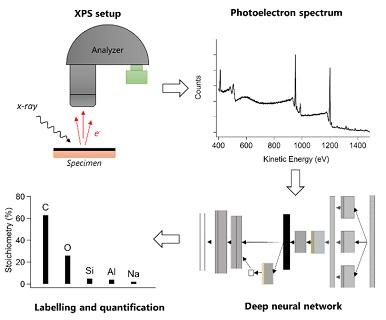
L’utilizzo dei raggi X nella spettroscopia di fotoemissione (XPS, X-ray photoelectron spectroscopy) consente l’identificazione delle specie atomiche sulle superfici e la natura del loro legame chimico. L’XPS è applicabile ad una grande varietà di materiali di interesse applicativo e di ricerca, come semiconduttori, ossidi, celle solari, sensori di gas, superfici funzionalizzate ed altro. Al momento l’XPS è una tecnica fondamentale per la caratterizzazione di materiali in campo fisico, chimico e di scienze dei materiali. Stiamo inoltre studiando come migliorare e velocizzare l’analisi dei dati XPS tramite machine learning.
Spettroscopia di fotoelettroni risolta in angolo
Image
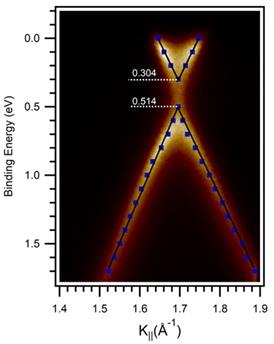
La spettroscopia elettronica ottenuta tramite radiazione ultravioletta (UV photoelectron spectroscopy, UPS) permette di misurare con estrema precisione la densità degli stati nella banda di valenza, ovvero della regione di energia dove avviene il legame chimico. Questa tecnica è comunemente utilizzata per campioni cristallini, policristallini e per l’analisi di molecole depositate su superfici conduttive. L’utilizzo di un moderno analizzatore elettronico risolto in angolo (ARPES, angle resolved photoelectron spectroscopy) permette inoltre di ottenere la struttura delle bande elettroniche in materiali di grande interesse, come materiali 2D (e.g., grafene), isolanti topologici e superconduttori ad alta temperatura.
Laboratorio
Al momento stiamo progettando il sistema XPS-ARPES in modo che possa adattarsi ad un ampio spettro di materiali. Il sistema prevederà:
- un analizzatore ad alta risoluzione risolto in angolo, adatto sia all’XPS che all’ UPS/ARPES;
- un manipolatore meccanizzato a 5 assi con raffreddamento criogenico;
- sorgenti di raggi X multiple, sia monocromatiche che non-monocromatiche;
- sorgente UV (He I, He II);
- strumenti per la pulizia e per l’analisi di campioni isolanti;
- fast entry con glove-box, permettendo la misura di campioni sensibili all’ossidazione;
- espandibilità ad altre tecniche e compatibilità con altre camere UHV per la crescita in-situ.
Considereremo in futuro anche la possibilità di aggiungere facilities per l’analisi di campioni a pressione quasi ambientale (Near Ambient pressure XPS) e per lo studio dei campioni nel bulk tramite l’utilizzo di raggi X duri (Hard X-rays photoelectron spectroscopy, HAXPES).
Responsabile
Prof. Giovanni Drera